
Monday - December 15, 2025
Weather:  26°C
26°C
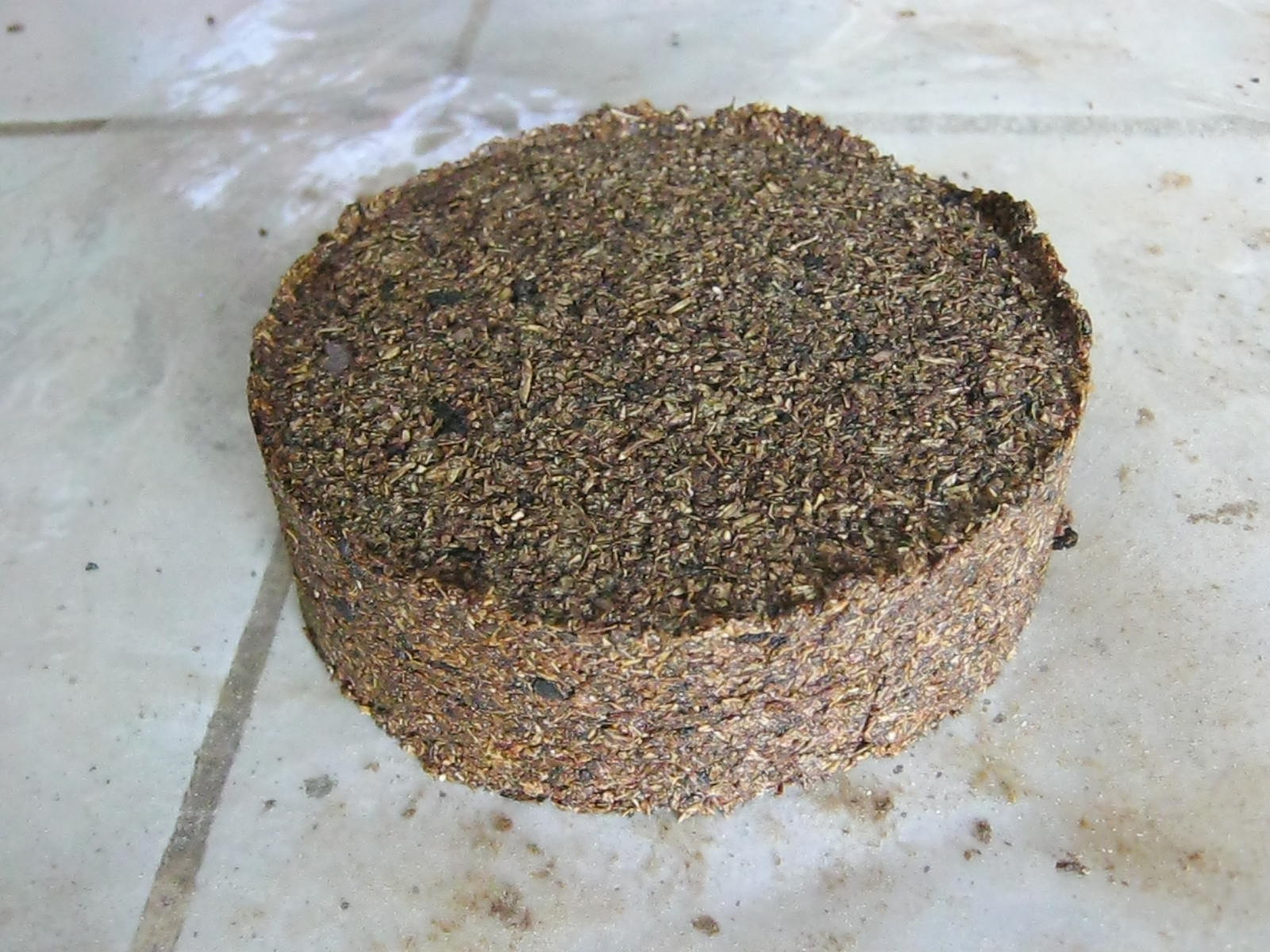
Urea Molasses Mineral Blocks
| Written by: Beatrice Wendoh | | | Write a comment
Adding Urea Molasses Mineral Blocks (UMMB) to an animal’s diet can increase the total amount of nutrition the animal receives by up to 30%. Even when cultivating your own forages, it can be difficult to provide dairy cattle with all of the nutrients required by farm animals necessary for them to stay healthy and
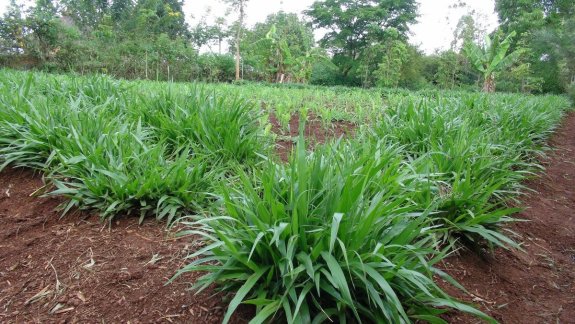
Brachiaria grass will make your cow produce more milk
| Written by: Maurice Rangoma | | | Write a comment
Farmers who are at pains to make their cows produce more milk should give a shot at Brachiaria grass. This grass has mesmerized farmers who have planted and used it. Dairy farmers who have tried it in Malindi, Kilifi, Machakos, Makueni, Uasin Gishu, Trans Nzoia, Nyandarua, Nyeri, Embu and Meru have reported massive boosts in milk production without supplementation with concentrates.
Read more: Brachiaria grass will make your cow produce more milk
How to utilize maize stover for animal feed
| Written by: Maurice Rangoma | | | Write a comment
The most important constraint in dairy cattle production in Kenya is the quantity and quality of feed offered to the animals. This problem can addressed if farm by-products such as maize stover, millet and sorghum stovers are treated for utilization by cattle and other domestic ruminants. The idea is to improve the nutritive value of maize stover and straws by use of urea solution which is usually abundant in the farm.
Improved mobile feed troughs
| Written by: Peter Muiru | | | Write a comment
Improved mobile feed troughs can be open or sheltered. Regular shifting to avoid muddy and wet conditions ensures that cattle are fed on a clean and hygienic environment. The sheltered improved mobile feed trough is better because it protects the feed and reduces losses associated with the weather.
The cost of constructing a zero grazing unit is normally high for most farmers but owing to small land sizes they are forced to raise dairy cattle in systems akin to zero grazing. But the feeding environment is usually so bad such that losses outweigh the benefits. It is estimated that about 50% offered this way is usually wasted.
Farmers have devised many ways of enclosing their animals and feeding them
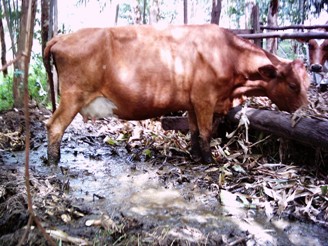
there. Most of them are roofless enclosures on earth floors where feed and water troughs are provided. Some farmers just place the feeds on the ground. Accumulation of urine, dung and mud particularly in the wet season rapidly worsens the hygienic condition and predisposes the cows to pests, parasites and diseases. The animal becomes extremely uncomfortable which ultimately results in reduced milk production.
This situation need not continue because there is an affordable and better way of presenting the feeds to the cows without constructing a conventional zero grazing unit. Feeds constitute over 70% of the cost of production and all efforts should be made to improve its utilization for the farmer to realize maximum benefits. The use of improved feed trough will help the farmer to reduce the cost of feeding in the farm.
Construction of improved feeding trough
Measurements are in feet
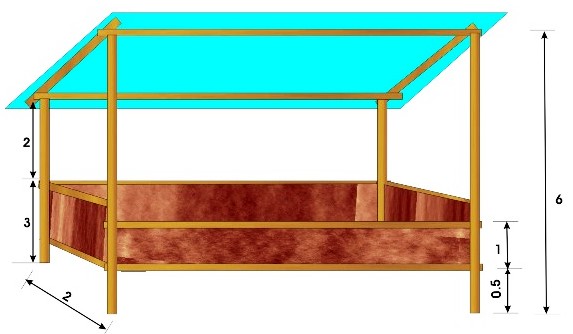
Roof
Use a 2 or 3m iron sheets mounted on 4 pillars. It should be elevated to prevent direct sunlight and rains.
Sides
The three sides should be open and one half closed to prevent cows feeding from any direction. This is important to reduce feed losses out of cattle feeding habits. Timber or suitable local materials can be used.
Feed box
Timber is the most suitable material because of ease of cleaning. Other materials may be used. The feed trough should be large enough to contain roughage and long enough to accommodate all the animals. A spacing of 2.5 – 3.0ft (80 – 90cm) per adult animal is required.
Raise the floor of the feed troughs 6 inches (15 cm) above the floor. The inner wall should not be very high; the top should just touch the dew lap when the animal is feeding. Raise the outer wall high enough to prevent the animals approaching the feed trough from the opposite side and wasting feeds.
Pig housing plans for small scale farmers
| Written by: silas | | | Write a comment
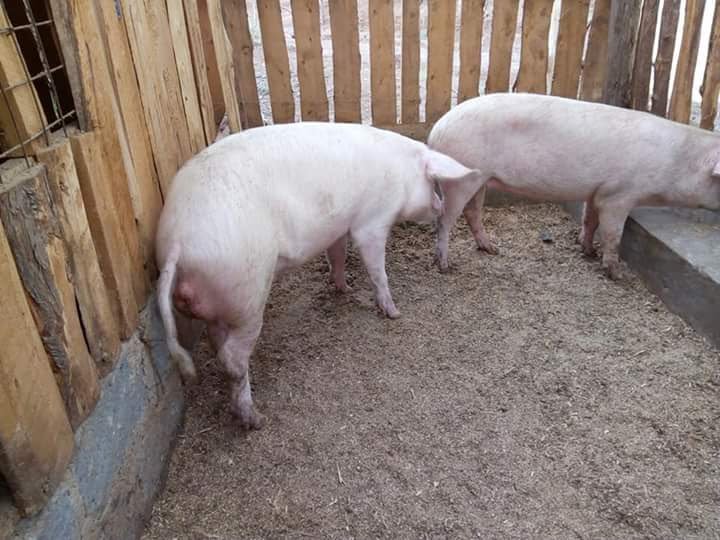
Have you been looking for a standard type of pig housing plans for small scale farmers? Well, there is no standard pig housing plan. Designs and housing plans for pigs are normally chosen to fit the management system that is most appropriate to the situation.
Page 2 of 4
Popular Posts
Recent Posts
- Are reports on fake chicken eggs true? Here is the truth
- What is happening with New KCC milk payments?
- Value of livestock and agricultural production reached R$ 122.4 billion in 2023 - Agência de Notícias - IBGE
- Why items sold on local farms might not be safe to eat. What you need to know before buying - PhillyBurbs
- I was chased like a dog from my farm as I had no lease agreement – Caleb Karuga